
How Often Should You Visit the Dentist?
Most people have asked themselves this question at some point. You brush your teeth every day, maybe you floss too, so why does it matter how often you see a dentist? The truth is, regular dental visits catch problems long before you can feel them, and that can save you a lot of pain and money down the road.
The Standard Rule of Thumb
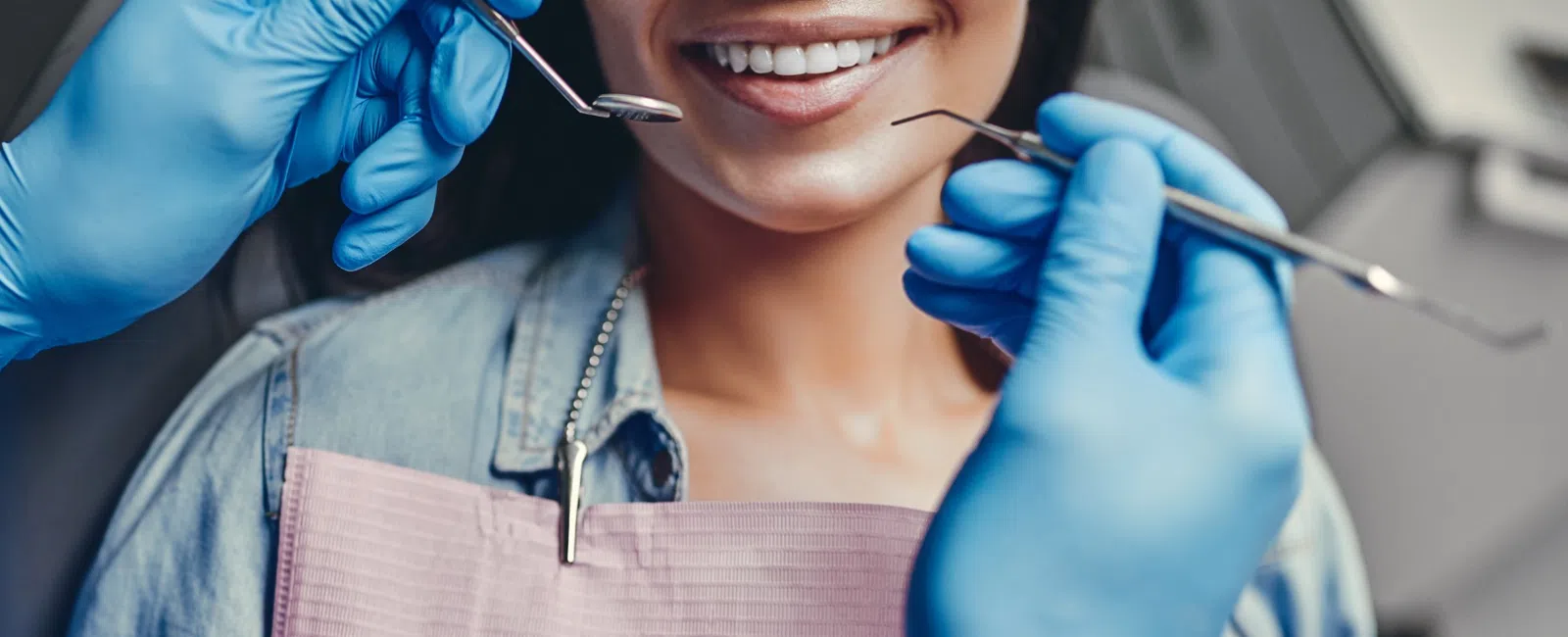
For most people, visiting the dentist every six months is the gold standard. This twice-a-year schedule gives your dentist a chance to clean away plaque and tartar that your toothbrush simply can't reach. It also allows them to spot small issues like early cavities or gum inflammation before they turn into bigger, more painful problems.
During these checkups, your dentist will usually take a look at your teeth, gums, and jaw. They might also take X-rays once a year to check for problems hiding below the surface, like bone loss or hidden decay between teeth.
Why Six Months Isn't Set in Stone
While twice a year works well for many people, it's not a one-size-fits-all rule. Your dentist may recommend a different schedule based on your personal oral health needs.
Some people need to visit more often. This includes those who:
- Have a history of gum disease
- Get cavities frequently
- Smoke or use tobacco products
- Have a weakened immune system
- Are pregnant, since hormone changes can affect gum health
- Have diabetes, which can increase the risk of gum problems
On the other hand, some people with excellent oral hygiene and no history of dental issues might be able to stretch their visits to once a year. Your dentist is the best person to help you figure out what schedule fits your situation.
What Happens If You Skip Visits
Skipping regular dental checkups might not seem like a big deal at first. After all, your teeth might feel fine. But problems like cavities and gum disease often don't cause pain until they've gotten pretty serious. By the time you notice something's wrong, you may be facing a root canal, a tooth extraction, or expensive gum treatments instead of a simple filling or cleaning.
Regular visits also help your dentist track changes over time. They'll notice if something looks different from your last visit, even if it's something you haven't noticed yourself.
Kids Need Checkups Too
Children should start seeing a dentist around their first birthday or when their first tooth comes in, whichever happens first. From there, most kids should also stick to a six-month schedule. Early visits help dentists catch problems with growing teeth and jaws, and they help kids get comfortable with dental visits so they're less likely to feel scared or anxious as they grow older.
Listen to Your Body Between Visits
Even if your next scheduled appointment is months away, don't ignore warning signs. If you notice bleeding gums, tooth pain, sensitivity to hot or cold, or swelling in your mouth, call your dentist right away. Waiting for your next regular visit could allow a small problem to turn into something much worse.
Finding What Works for You
The best way to know how often you should visit the dentist is to talk with your dental care provider. They know your mouth, your history, and your risk factors better than anyone else. Together, you can come up with a plan that keeps your smile healthy without unnecessary visits.
Taking care of your teeth is a long-term commitment, but it doesn't have to be complicated. Stick to your recommended schedule, pay attention to changes in your mouth, and don't be afraid to ask your dentist questions. Your smile will thank you for it.