
Root Canal & Endodontics in Delray Beach
Hearing that you need a root canal doesn't exactly make you want to jump for joy. The good news about what people sometimes consider to be bad news is that root canal procedures are gentler and quicker than ever. Improved technology allows patients to enjoy unprecedented comfort while having this tooth-saving procedure done. Learn what you need to know from a root canal dentist!
What Is Dental Root Canal Treatment?
Also known as endodontic procedures, root canals can be pivotal for saving teeth that are in danger of tooth loss. The primary goal of this treatment is to eliminate bacteria from an infected tooth root in order to save as much of your natural tooth as possible. Teeth contain a soft pulp tissue that is susceptible to injury and infection. If you're suffering from advanced tooth decay, it's also possible for the pulp to become exposed. If this is the case, you're probably already living with extreme pain and sensitivity.
During your endodontic procedure, a dentist removes the affected pulp to stop the decay. Once the procedure is done, pain and other symptoms will stop immediately. There's no need to feel stressed or "ashamed" about the fact that your tooth is in need of a serious intervention. Millions of root canals are performed each year to save teeth!
Why Do People Get Root Canals Done?
Within each tooth, a soft, pulp-like tissue called dentin rests just beneath the white enamel that coats the tooth exterior. This complicated and sophisticated pulp consists of nerves, connective tissue, and blood vessels that nourish the root of each tooth as it develops. While the pulp is essential during the early years of our lives, it's actually possible for teeth to live without it. That's why clearing out infected, diseased pulp is one of the best ways to save a tooth.
Unfortunately, damaged pulp won't heal or repair on its own. Fortunately, a dentist can perform a treatment to clear away the debris that is threatening your tooth.
When do you need endodontic work done? The only way to confirm that your pulp is beyond repair is by consulting with a dentist. However, these are the top reasons why the procedure is recommended:
- Persistent tooth pain that's ranked as moderate to severe
- Constant throbbing tooth pain
- A tooth that is sensitive to cold, heat, or pressure
- Pain while biting or chewing
- The presence of deep cavities
- Pronounced tooth discoloration
- Chipped or cracked teeth
- Swollen gums
If you have cracks, chips, or lingering issues from a malfunctioning filling, you're also a likely candidate for this procedure.
What Kind of Dentist Does Root Canals?
This procedure is typically done by either a dentist or an endodontic specialist. Generally, an endodontist will be brought in only for complex or repeated treatments. Don't live with pain or discomfort for another day! If you're looking for a qualified and experienced dentist, contact our office today.
What Happens During a Root Canal Procedure?
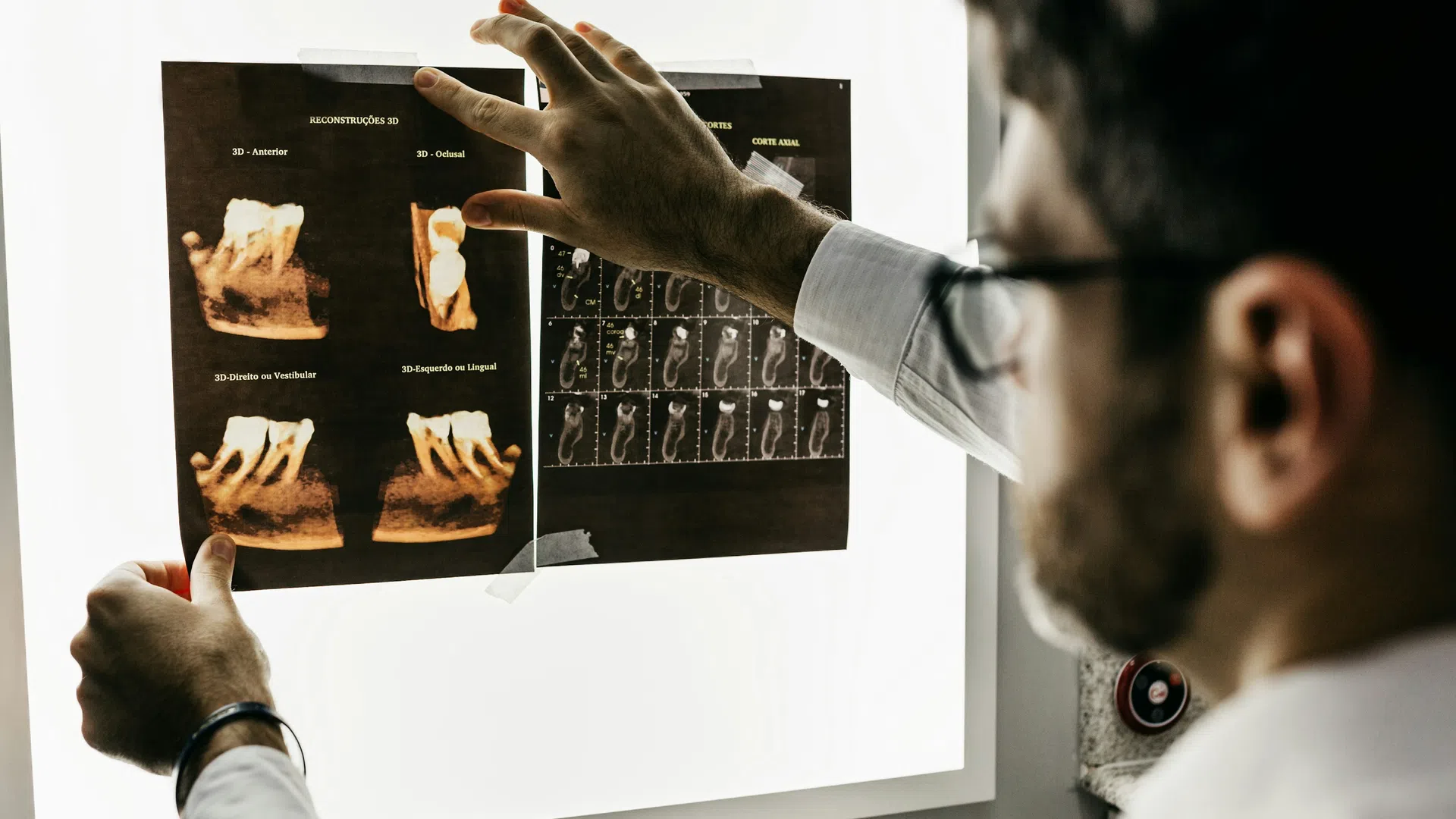
As a patient, you can expect this procedure to take one to two hours. We'll let you know ahead of time if you have complex issues that will cause the procedure to take longer. Generally, a consultation that includes imaging is needed before an endodontic procedure can be scheduled. Using X-rays, a dentist or endodontist examines the affected tooth. Here's a step-by-step look at what patients can expect:
- First, the dentist numbs the tooth to ensure a painless procedure.
- Next, a protective shield is placed over the affected tooth to keep it protected, clean, and free of saliva during the procedure.
- The dentist then creates a small opening in the tooth's crown to access the damaged or infected pulp chamber.
- Once the pulp is extracted from the tooth, the dentist uses special instruments to clean and shape the canals of the tooth root.
- Fluid is used to clean out the exposed roots.
- As one of the final steps, the canals of the roots are filled with a biocompatible material before being sealed.
- Finally, the treated tooth is capped with a crown to keep it protected from infections or fractures.
Patients are given instructions for how to clean and care for the newly restored tooth following the procedure. The only "healing" involved is waiting for the filling to harden completely. In most cases patients are able to eat within 30 to 60 minutes after leaving the office.
Does a Root Canal Cost a Lot?
The cost for this procedure is affected by a number of factors. Tooth location is one of the major factors. For example, repairing a molar with four roots can be significantly more expensive than repairing a simplistic, single-rooted front tooth. The extent of the damage within the tooth can also impact the cost as will the size and material of the root canal crown. Dental insurance will partially cover the cost of this procedure in most cases. If you're curious to find out how much you can expect to pay, our office will be happy to provide you with an estimate after evaluating your damaged tooth. Call today to schedule an appointment!
What Are the Different Types of Root Canals?
Following a comprehensive examination, one of our dental professionals can help you determine the proper treatment for your injured or decaying tooth. Standard root canals are often the best for molars. However, they are often also the best choice for saving any tooth. One alternative to a standard endodontic procedure is something called an apicoectomy. During this procedure, the tooth's tip is removed. Another procedure called a pediatric pulpotomy removes pulp while leaving the root nerve intact to allow children to keep their baby teeth.
Save Your Tooth With a Dental Root Canal
You deserve to live without the pain and risk involved with leaving a damaged or infected tooth as it is! There's no need to fear root canals. While this is a serious procedure that requires exceptional expertise, patients can enjoy complete comfort with help from local anesthetics. Many patients often find that root canals are far more pleasant than they ever imagined. If you suspect that your tooth needs intervention or reconstruction due to rot, don't suffer for another day. Contact us immediately to book a root canal in Delray Beach consultation!
