
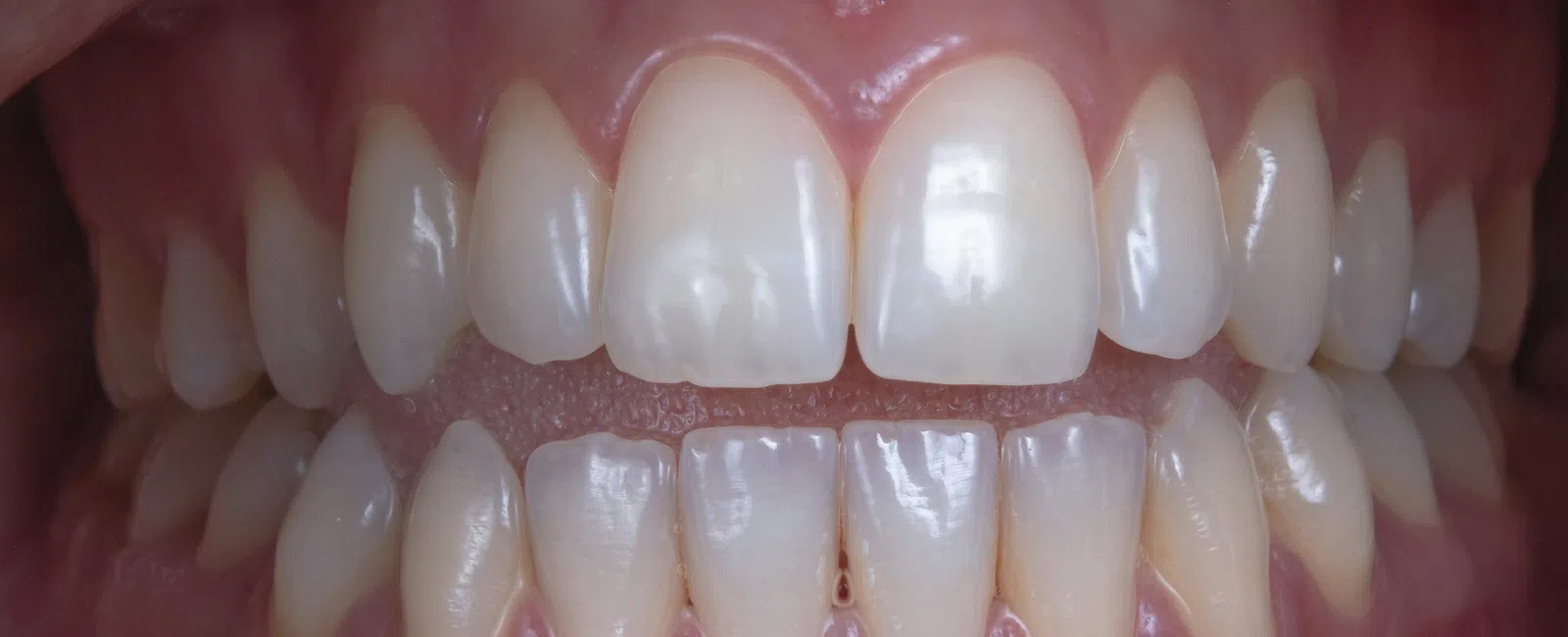
What are the best tips for healthier gums?
Healthy gums start with simple daily habits you can keep up. The three biggest tips are brushing well, cleaning between your teeth, and seeing your dentist regularly.
Your gums help hold your teeth in place, so keeping them healthy matters for your whole mouth. Small changes each day can lower your risk of gum disease, also called periodontal disease. Read more about The Journal Of American Dental Association's guide to healthier gums.
How should I brush to protect my gums?
Brush your teeth twice a day with a soft-bristled toothbrush. Use gentle, small circles along the gumline instead of scrubbing hard. Here are the best steps:
1. Put a pea-sized amount of fluoride toothpaste on your brush.
2. Hold the brush at a slight angle toward the gums.
3. Brush for 2 minutes, covering the front, back, and chewing surfaces.
4. Spit out the toothpaste, but do not rinse right away if your dentist told you to leave the fluoride on longer. Hard brushing can hurt your gums and make them pull back, which is called gum recession. A soft touch cleans better and is easier on your mouth.
Why is cleaning between my teeth so important?
Cleaning between your teeth removes plaque, the sticky film that brushing alone cannot reach. Plaque buildup can lead to swollen gums, bleeding, and gum disease. You can clean between your teeth with:
- Floss
- Floss picks
- Interdental brushes
- Water flossers
If floss feels hard to use, start with one tooth gap at a time. Slide it gently under the gumline, curve it around each tooth, and move it up and down. Doing this once a day can make a big difference.
How often should I see the dentist for gum health?
Most people should see the dentist every 6 months, but some need visits more often. Regular checkups help catch gum problems early, before they become serious. At these visits, your dentist may:
- Check for bleeding or swollen gums
- Measure gum pockets, the spaces around your teeth
- Remove tartar, which is hardened plaque
- Give you tips based on your mouth health
If you already have gum disease, your dentist may suggest deeper cleanings or more frequent visits. Early care can help protect your teeth and gums for the long term.
What other habits help keep gums healthy?
Healthy gums are not just about brushing and flossing. Your daily habits, like what you eat and whether you smoke, also matter. Try these helpful habits:
- Drink plenty of water
- Eat a balanced diet with fruits, vegetables, and protein
- Limit sugary snacks and drinks
- Do not smoke or vape
- Replace your toothbrush every 3 to 4 months
Smoking can make gum disease worse and can hide early warning signs like bleeding. A healthy lifestyle supports your gums and your whole body.
What Are signs My Gums May Need Help?
Bleeding gums are not normal, even if they happen only when you brush or floss. Other warning signs include redness, swelling, bad breath, and gums that feel sore. Watch for these symptoms:
- Gums that bleed easily
- Red or puffy gums
- Bad taste in your mouth
- Loose teeth
- Gums pulling away from the teeth
If you notice these signs, make a dental appointment soon. The earlier gum problems are treated, the easier they are to manage.
FAQ
Do I really need to floss every day?
Yes, daily flossing helps remove plaque and food from between your teeth where your toothbrush cannot reach. This lowers your risk of bleeding gums and gum disease. If regular floss is hard for you, try floss picks or a water flosser. The best tool is the one you will use every day.
Can gum disease be reversed?
Early gum disease, called gingivitis, can often be reversed with better brushing, daily cleaning between teeth, and a dental cleaning. More advanced gum disease may not fully go away, but it can often be controlled. The sooner you treat it, the better your chances of protecting your teeth and gums.
Why do my gums bleed when I brush?
Bleeding gums often mean your gums are irritated from plaque buildup. It can also happen if you brush too hard. Keep brushing gently and clean between your teeth every day, but if bleeding continues for more than a week or two, see your dentist.
What toothbrush is best for healthy gums?
A soft-bristled toothbrush is usually best because it cleans well without hurting your gums. An electric toothbrush can also help some people brush more evenly. Choose a brush that feels comfortable and lets you reach all areas of your mouth.
How long does it take to see healthier gums?
Some people notice less bleeding and less swelling in just 1 to 2 weeks after improving their home care. If gum problems are more serious, it may take longer and need dental treatment. Staying consistent is the key to seeing real change.